















Nishant Grover, APP Group Co-Chair of Investments, and Chairman of South Korea’s MSS Group, explains its rapidly diversifying portfolio of premium, functional and eco-friendly products.
He spoke to Tissue World Magazine Senior Editor Helen Morris.

Nishant Grover is a busy man. Our interviews to discuss the company’s presence in the South Korea tissue market following its entrance there in 2024 takes place from his travels across various countries and finally back at Grover’s home base in Bangkok, Thailand.
Currently the Co-Chair of Investments at Indonesian-headquartered APP Group, his role entails overseeing investments for the company – one of the world’s largest integrated paper businesses – and he has also been Chairman of South Korean-headquartered MSS Group and its tissue manufacturing subsidiaries Monalisa and Ssangyong C&B since December 2024.
APP Group signed a contract to acquire MSS Group from Morgan Stanley Private Equity in October 2024, a move Grover says was to increase APP’s presence in the region’s consumer business market: “MSS group is the market leader in South Korea, and one of the best in the world in terms of product quality and innovation. It is a great addition to our portfolio.”
The acquisition included three manufacturing plants that produce Ssangyong and Monalisa’s brands: a 132,0002 plant in Jochiwon, a 33,2432 plant in Jeonju and a 64,6292 plant in Nonsan. Seven paper machines are located at the facilities along with several converting lines for tissues, diapers, wet wipes and face masks.
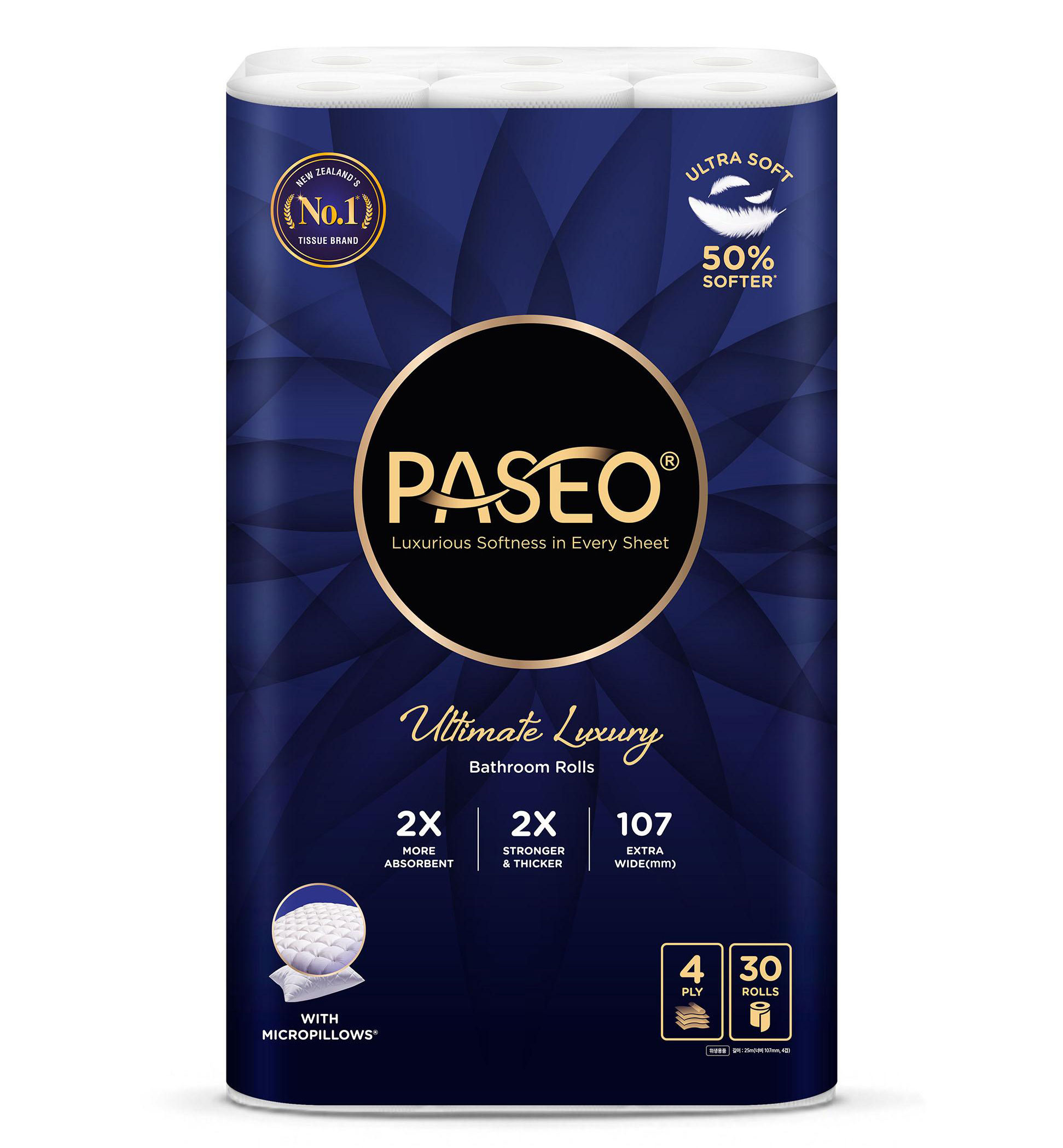
The company has targeted the premium products market following the purchase, with APP launching its PASEO premium tissue and hygiene product brand in South Korea in July, expanding its premium lineup with 4-ply premium bath tissue, 4-ply lotion facial tissue and other upgraded products.
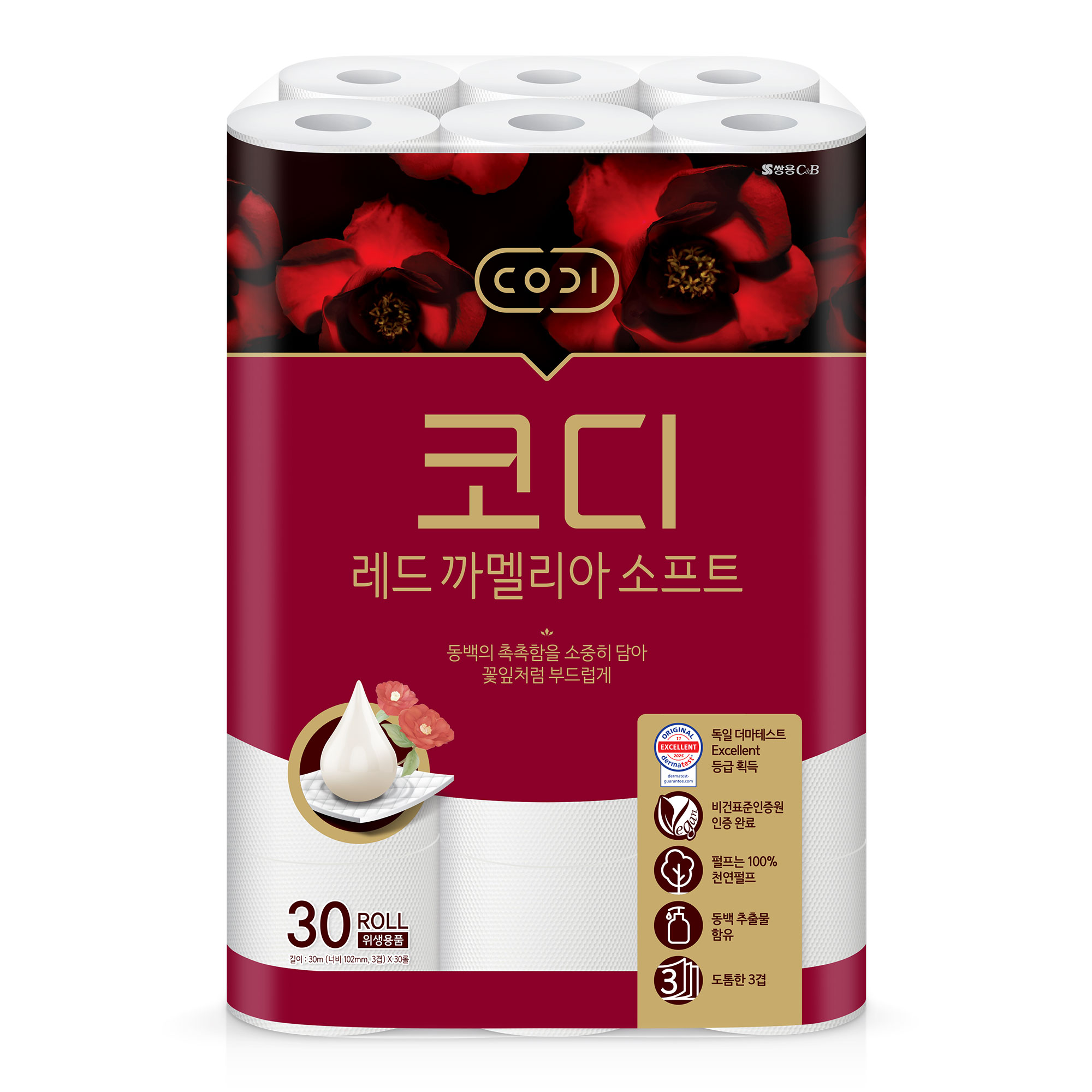
Diverse IP product launches have also been key for the three Korean plants: Catch! Teenieping facial tissue and pocket-format wet tissue were launched in February for the back-to-school season, followed by Codi Art and JOGUMAN Mini Bidet wet tissue in April featuring the JOGUMAN green, sauropod dinosaur character. Premium-quality product launches through retailer collaboration have also included the launch of Codi Red Camellia Soft wet tissue in July in collaboration with E-Mart, with Camellia Vaseline bathroom tissue and facial tissue planned for launch later in September.
Investments have also been key: MSS Group has continued to invest in high-efficiency equipment, waste heat recovery systems and process optimisation in a bid to improve energy efficiency and reduce CO₂ emissions, he says.
Beyond energy, Grover says that MSS Group is improving waste and water management efficiency to optimise resource use and reduce the environmental impact of production: “MSS Group is the first in the tissue industry to achieve ESG Grade A for two consecutive years after earning Grade A in the 2024 and 2025 ESG assessments, gaining external recognition for its ESG management standards. We also obtained PEFC certification at our Korean sites. We are aiming to expand the responsible use of forest resources. MSS Group obtained PEFC-certification (after obtaining Chain of Custody (CoC) via domestic forest certification system Korea Forest Certification Council (KFCC), which operates under a mutual recognition system with the PEFC) for all tissue products and diapers produced by the group, with certified products to be supplied starting with fourth-quarter shipments.”
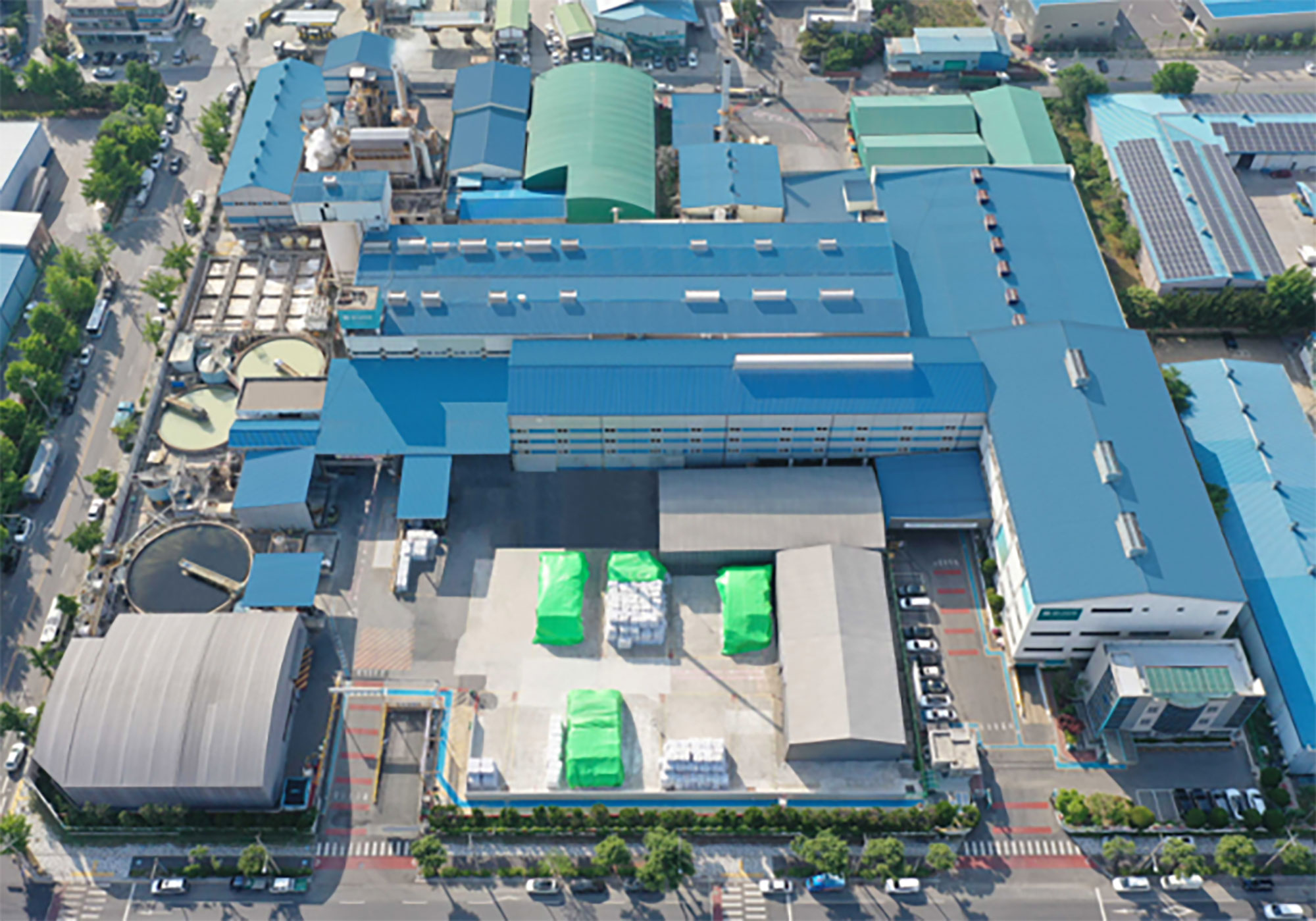
Growth in the South Korean market in the next few years will include expanding investment in eco-friendly production infrastructure: “In line with the Korean government’s carbon-neutrality and circular-economy policy direction and global ESG trends, MSS Group has set energy-efficiency improvements and carbon-emission reduction as key investment priorities,” he says. “We plan to continue expanding the use of renewable energy such as solar power, whilst also reviewing and introducing energy-saving facilities to progressively reduce the environmental impact of its production processes.”
The company will also be expanding investment to raise resource efficiency across the entire production process, which he says includes “greater use of recycled materials, waste recycling, water reuse and adoption of eco-friendly packaging”.
“The technology research institute continues R&D on equipment efficiency and on sustainable products and innovative materials and eco-friendly packaging. This means that going forward, growth will focus not just on expanding sales volume but on value growth through an expanded, differentiated product portfolio of premium, functional and eco-friendly products.”
Across the South Korean tissue market, Grover is seeing that the “polarisation of Korean consumer demand is becoming more pronounced”. He says: “The domestic tissue market shows a polarising trend, with demand expanding simultaneously for premium products and for value-focused products where price matters most.”
In the premium segment, products differentiated by quality and feel are diversifying, while in the value segment interest is growing in private brand and reasonably priced products: “Minimum standards are diversifying beyond simple ‘softness and thickness’,” he says. “While the focus used to be solely on softness and thickness, consumers now also weigh factors such as raw materials, manufacturing method, real benefits, texture and absorbency, design, and eco-friendliness.”
He adds that “high-spec” products such as 4-ply, aesthetic tissues or those with skin care elements are also drawing attention as elements that can define new premium products: “For kitchen towels as well, options are expanding toward products that enhance not only absorbency but also thickness, strength, ease of use and use-specific functionality. Generally, we’re seeing the diversification of product specifications and packaging driven by changes in household composition and lifestyle. In the past, a 30-roll pack of bathroom tissue was the typical purchase format, but recently, as household size and purchase channels diversify, the pack sizes and product formats consumers want are also becoming more segmented. Single-person households already account for more than a third of all households in Korea and are expected to keep growing over the long term, which should expand market opportunities for small, easy-to-store, easy-to-carry packs and products with varied roll counts.”
Design and content are expanding as differentiation factors: “As products evolve to reflect consumer taste and lifestyle, emotional elements such as package design and character and IP collaborations are also growing in importance.
“MSS Group is continuously diversifying its product portfolio in response to these changes. We’re strengthening our product portfolio that spans from premium offerings like PASEO 4-ply and lotionised facial tissue to tissues with CICA and Green Tea. We were the pioneers with Gochang Red Clay Toilet tissue rolls and have several other variants of tissue rolls with aesthetic benefits under our Codi and Monalisa brands.”
Over the next few years, growth of premium and high-value-added products remains key, he says. “Rather than simple volume expansion, the greater opportunity lies in value growth through premium products that differentiate on quality and feel. Interest is also growing in new premium elements such as natural and eco-friendly raw materials.”
Innovations will also include the expansion of products with enhanced functionality and convenience: “Products with clear functional differentiation – aesthetic benefits, texture, absorbency, ease of use and more – are expected to address evolving consumer needs and create new demand. As single-person households increase, small packs such as 1-roll and 6-roll formats and channel-tailored products are also a new growth opportunity.
“Expanding IP collaborations combined with character and cultural content such as JOGUMAN and Teenieping will give consumers new reasons to buy an everyday necessity like tissue. Quickly developing private brand and differentiated products tailored to each channel’s consumer characteristics through retailer collaboration is also an important growth opportunity,” he says.
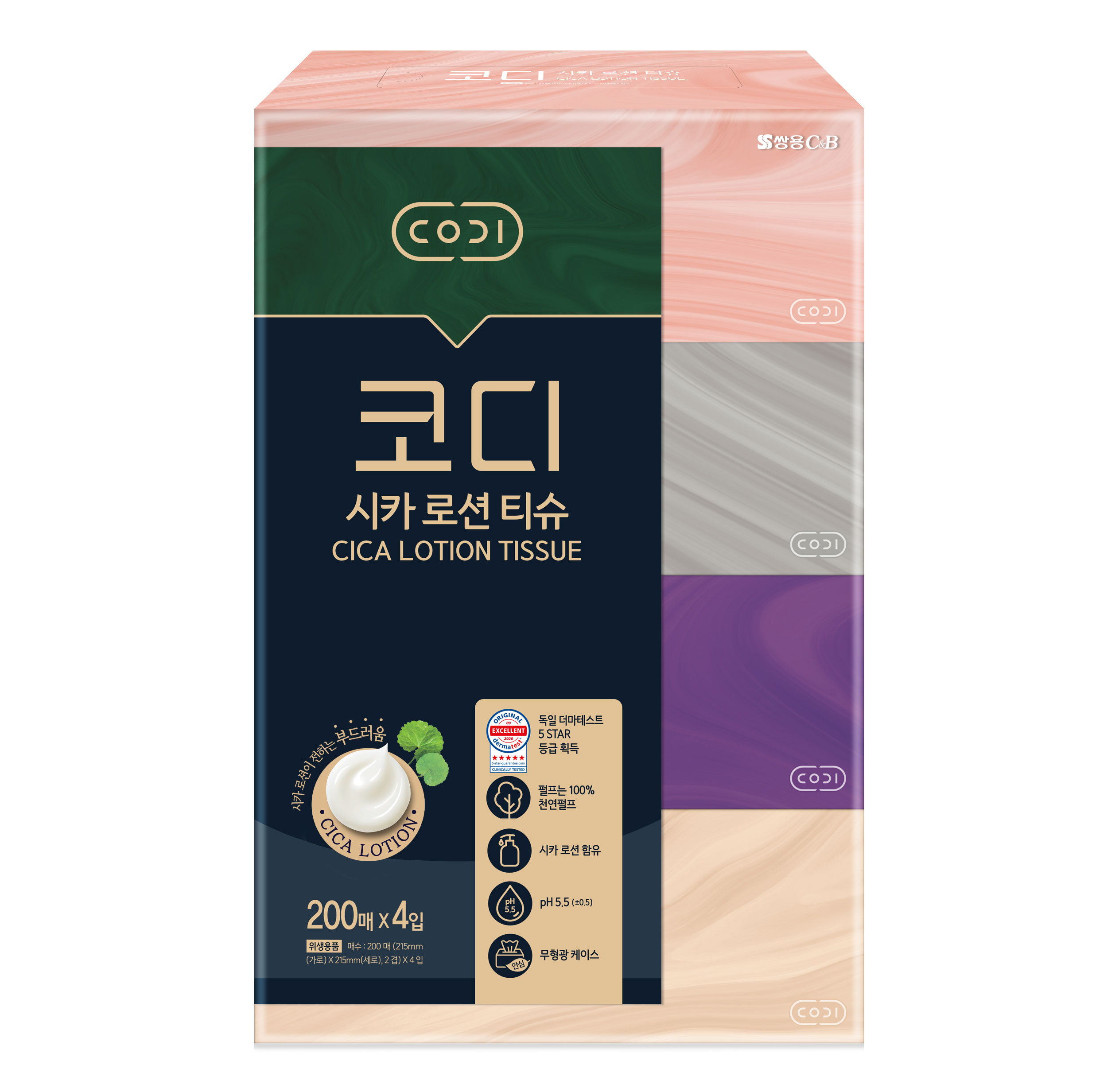
Key challenges meanwhile are that Korean consumers expect a high standard not only in product quality but also in functionality, materials, design and other aspects: “Our endeavour is to keep introducing new, differentiated, high-quality products that match evolving consumer needs. MSS Group will continue to build on its strong R&D and manufacturing capabilities and long-standing, trusted relationships with major retailers, aiming to stay ahead of evolving market needs by continuously bringing new, differentiated and reliable products to market.
“The challenge is to maintain product quality and price competitiveness while responding to external cost volatility, and continuing to invest in R&D and new product development.”
Rising cost burdens from combined raw material, exchange rate and logistics pressures mean the market remains volatile: “Ongoing global volatility, including tensions in the Middle East, has increased cost pressures across key raw materials such as pulp, energy and international logistics, particularly freight rates,” he says. “Because South Korea’s paper and tissue industry sources most key raw materials overseas, exchange-rate movements have a direct impact on raw-material procurement costs.”
The company is mitigating these impacts by strengthening its response through production and operational efficiency: “To minimise the impact to consumer, MSS Group is working to partially offset cost pressures through improvements in plant efficiency, reduced energy consumption, optimised equipment operation and stronger supply-chain management. Likewise, we are continuing to improve energy efficiency and optimise our production processes to strengthen our resilience to external cost swings.”