















John Fearns, Commercial Director, spoke with TWM Senior Editor Helen Morris to discuss how the business is navigating a competitive and sustainability-driven marketplace – and what comes next
When TWM first reported from Poppies’ six-acre St Helens plant in the North West of England back in May 2019, the company was already a formidable force in the UK’s printed napkins market. It had carved out a strong niche across the AfH catering and retail sectors and was converting 15,000tpy and producing 10m napkins a day.
Seven years on, and the landscape has changed dramatically.
The December 2024 announcement that Sweden’s Duni Group had agreed to acquire Poppies Europe marked a pivotal moment – for the business, and also for the wider UK disposable tabletop sector. With the acquisition now complete, the St Helens site has grown to 12 acres, operates over 40 production lines and employs a workforce of 300.
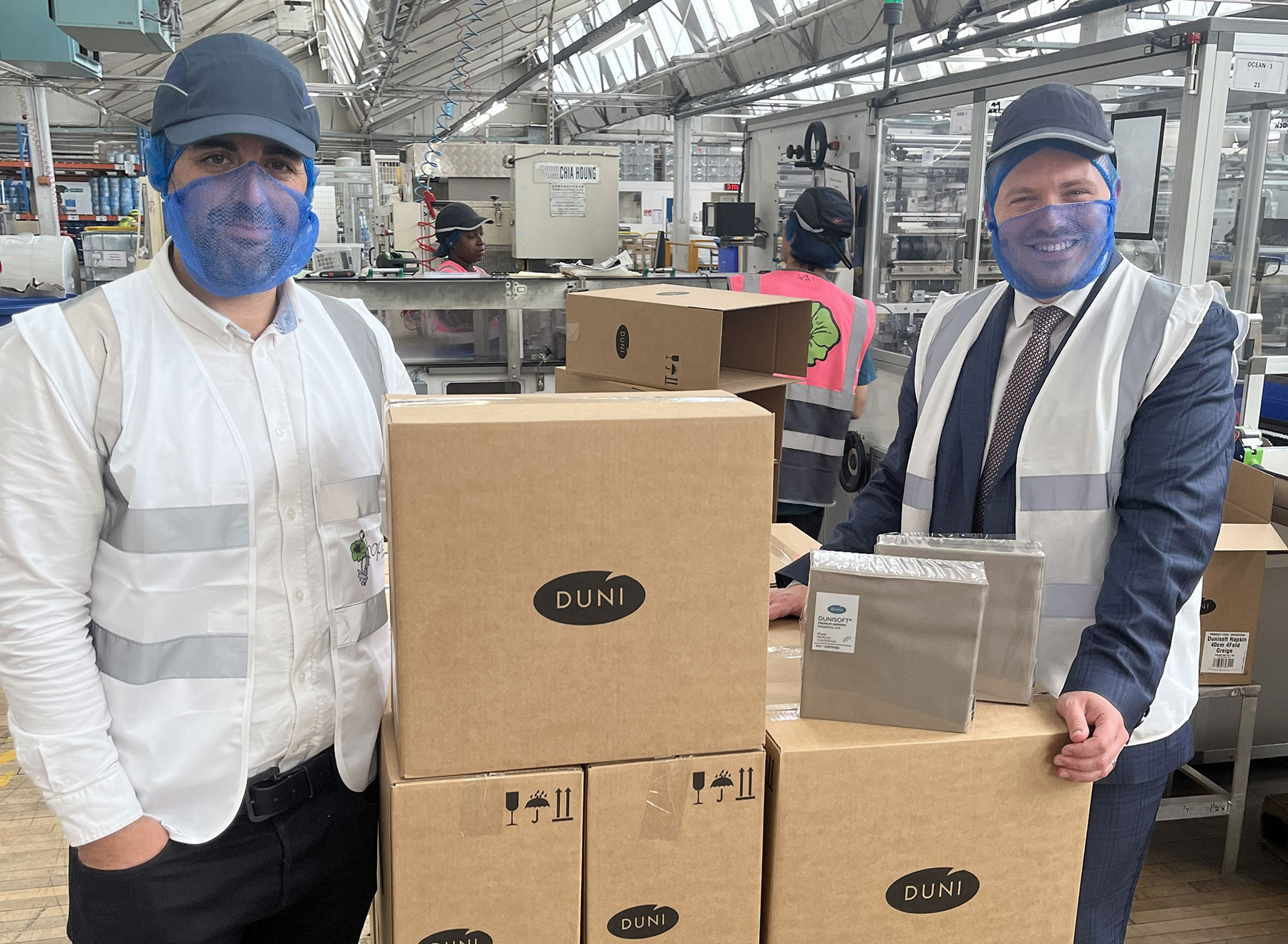
Trading as Duni Poppies, Commercial Director John Fearns explains that the business is the largest tabletop convertor in the UK, with a product range stretching from everyday tissue napkins through to premium airlaid offerings targeting the high-end hospitality trade.
It is a transformation built on investment, the strategic acquisition of competitors such as McNulty Wray (which it acquired in 2012 and Staples AfH (2015), and a clear conviction that despite ongoing pressures in the local tissue markets and energy sector, the opportunity for growth – particularly at the premium end – is alive and well.
Fearns says that following the completed acquisition in January 2025, Poppies Europe is now 100% wholly owned by the Duni Group. Known as Duni Poppies, the merger also increased the company’s premium tissues and airlaid production at the Duni Group’s Rexcell Tissue & Airlaid plants located in Skåpafors and Dals Långed, Sweden.
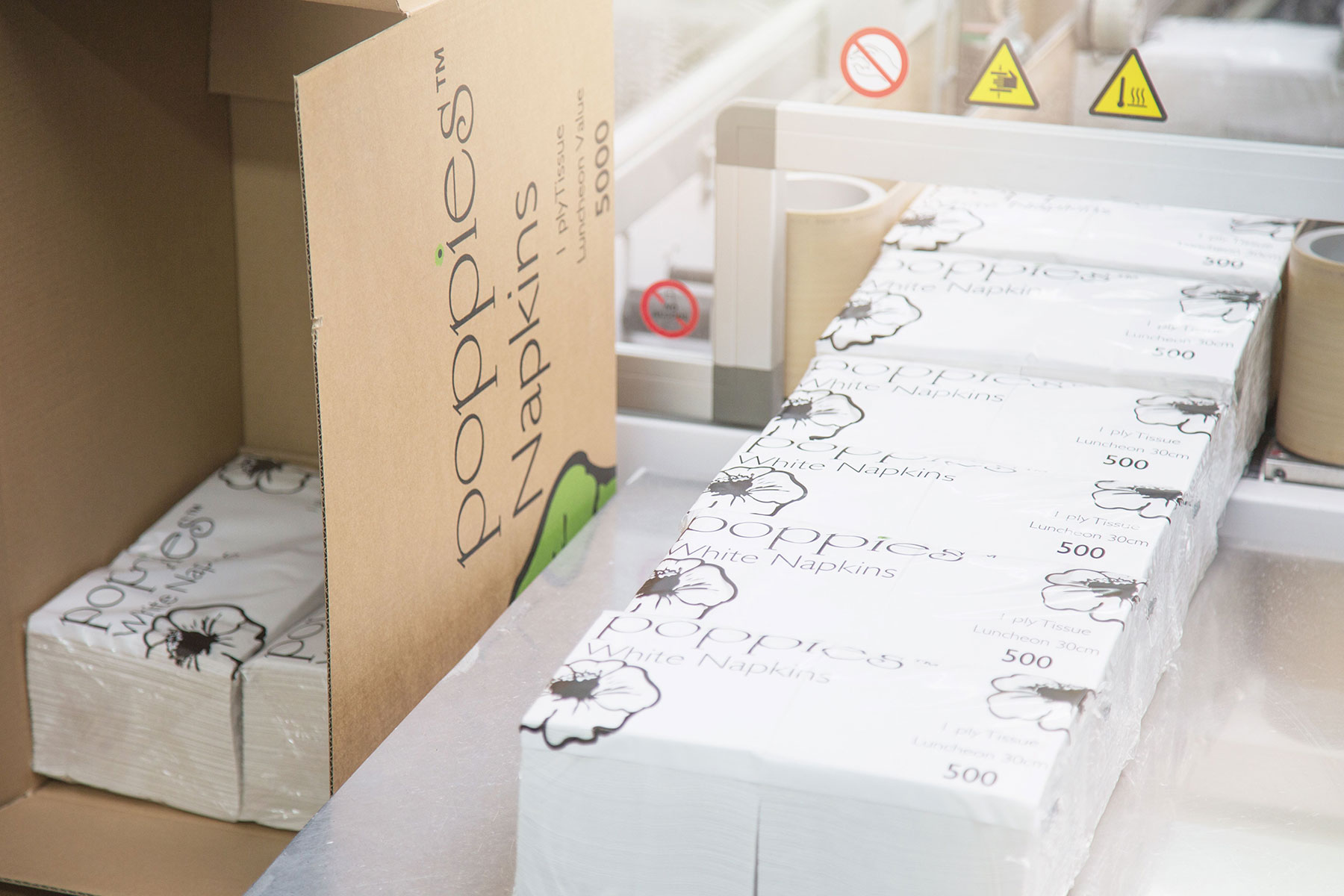
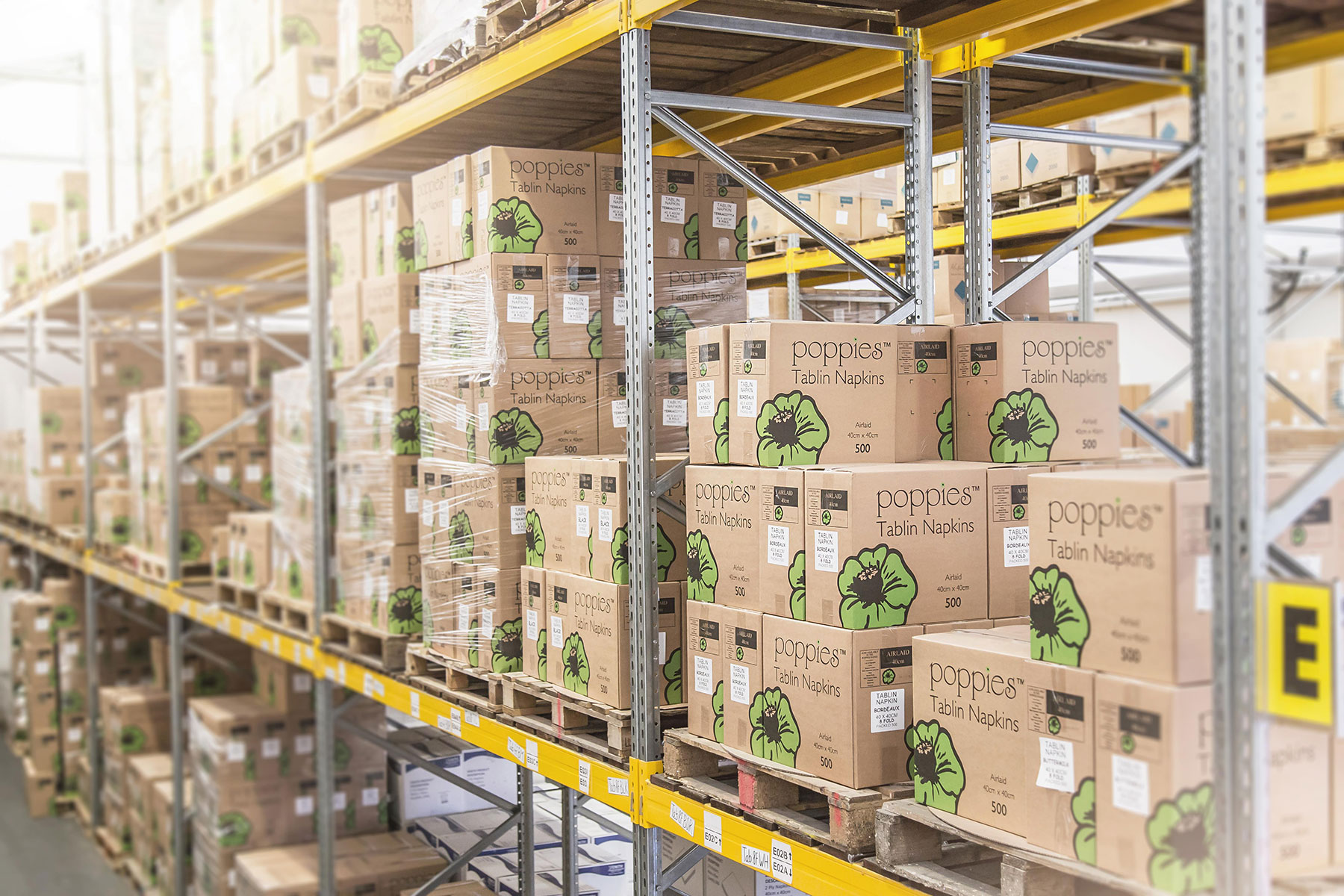
“We are the largest tabletop convertor in the UK, and offer the largest product offering,” he says. “In the last 12 months under the ownership of Duni we have heavily invested with three new state-of-the-art Omet production lines and expanded our warehouse space by over 30%.”
Duni Poppies produces tissue napkins that he adds are the most common product used in the UK, right the way through to premium airlaid products used in the high-end hospitality trade: “We have a real focus on growing the premium offering and switching out linen tableware to our premium disposable offerings such as Dunilin, which is a unique product offering by the Duni Group. We are always on the lookout for investment opportunities.”
Across the UK tissue and towel markets, he adds that sustainability “is key” in the way the company operates and supplies its product range: “Over recent years the focus may have slipped with certain markets, but we are now seeing this coming back to the forefront. As a UK producer it’s a key part of how we produce and offer our product range.”
The business has also heavily invested in solar power: “We are doing all we can to ensure the energy crisis will not have the dramatic impact it had again on the conversion site. Saying that, the group-owned paper mill is still heavily influenced by the cost of energy.”
The UK’s AfH market is still “under pressure” in the hospitality sector, and the company continues to see a reduction in volumes in certain sectors: “Private label is very strong in our retail markets, in comparison the primary market we supply is the HORECA and here the Duni & Poppies brands are still held in high regard.”
The HORECA market remains competitive, but Fearns says the company is also seeing a flat market at times: “In response to this, Duni is seeking opportunities in the premium market with several new ranges planned to launch later in the year.”
Over the next few years, the company’s primary focus will be to ensure it operates its manufacturing plant in a sustainable way: “The Duni group has made great strides in ensuring our range is at the top where it comes to its environmental and sustainable accreditations.”
Having its manufacturing base in the UK is a key part of the company’s strategy to continue to grow its sales.
“We do face competition from imported products, but having recently joined the Made in Britain scheme – an official trademark licensing programme designed to promote and verify British manufacturing – it’s a real focus to push local producers here in the UK.”